Ärzte der Welt fordert gemeinsam mit Gesundheitsfachkräften in einem offenen Brief die EU auf, das neue Abschiebegesetz abzulehnen
Einen Tag vor der Abstimmung im Plenum des Europäischen Parlaments über die vorgeschlagene EU-„Rückführungsverordnung“ fordern medizinische Fachkräfte aus der gesamten EU die Gesetzgeber*innen auf, die Verordnung abzulehnen. Sie warnen, dass die Gesetzgebung die öffentliche Gesundheit ernsthaft gefährden und Menschen davon abhalten könnte, lebenswichtige medizinische Versorgung in Anspruch zu nehmen. Außerdem seien die Pläne medizinethisch nicht vertretbar.
In dem vom Ärzte der Welt-Netzwerk initiierten offenen Brief, der von 1110 Gesundheitsfachkräften aus 17 Ländern unterzeichnet wurde, äußern die Unterzeichner*innen, darunter Ärzt*innen, Pflegekräfte, Hebammen, Psycholog*innen und weitere Gesundheitsfachkräfte, ihre Besorgnis über den Vorschlag. Die Verordnung würde zu einer Zunahme von Polizeirazzien, Inhaftierungen – auch von Kindern – und Abschiebungen von Migrant*innen ohne geregelten Aufenthaltsstatus in ganz Europa führen würde.
„Jeden Tag versorgen wir alle, die Unterstützung benötigen, ohne Diskriminierung. Diese Verordnung birgt die Gefahr, ein Klima der Angst zu schaffen, das die Menschen von den Gesundheitsdiensten fernhält, was schwerwiegende Folgen für den Einzelnen und für die öffentlichen Gesundheitssysteme insgesamt haben wird.“
Andrea Soler Eslava, Médecins du Monde EU Advocacy Referentin
Den offenen Brief im Original auf Englisch können Sie nachstehend lesen, die Liste aller Unterzeichnenden finden Sie hier.
Care without fear: health workers reject the EU Deportation Regulation (“Return Regulation”)
We are healthcare professionals: nurses, doctors, midwives, care assistants, psychologists, psychiatrists, dentists, and other health workers. We work in hospitals, private practices, community clinics, maternal and child health services, public health centres, outreach programmes, universities and humanitarian organisations.
Every day, we care for people from all walks of life. Some have residence permits; others do not. There is only one rule: to provide care to anyone who needs it, without discrimination.
This is why we are deeply concerned by the EU’s Deportation Regulation (the so-called Return Regulation), which aims to facilitate the detection, detention and deportation of undocumented migrants across Europe.
The regulation would require all Member States to implement broad and poorly defined detection measures to identify undocumented people. In practice, this risks legitimising racial profiling, and turn schools, hospitals, shelters, workplaces, public transport and even private homes into sites of immigration enforcement. Behind technical language lies a profound transformation of our societies, and the destruction of the social fabric.
For undocumented people, this creates a climate of fear. Fear drives people to avoid healthcare: they delay medical consultations, they isolate themselves and their health deteriorates. Illnesses are treated later, leading to avoidable complications, longer hospitalisations and higher costs for health systems.
Excluding people from healthcare does not protect society. When people are afraid to access care, everyone’s health is at risk. It also erodes trust in social services and threatens public health, as is already happening in countries like the US, where ICE-style raids occur daily.
The proposed regulation also threatens a fundamental pillar of medical practice and deontology: medical confidentiality. It would facilitate the sharing of sensitive personal data, including health data, between EU Member States and third countries, and could introduce obligations to report individuals without legal status.
Healthcare professionals have an ethical duty to protect the privacy of their patients and to guarantee safe access to care. Any policy that pressures doctors or nurses to report patients or share personal data would directly undermine professional independence and the ethical foundations of medicine.
We refuse to become instruments of immigration enforcement
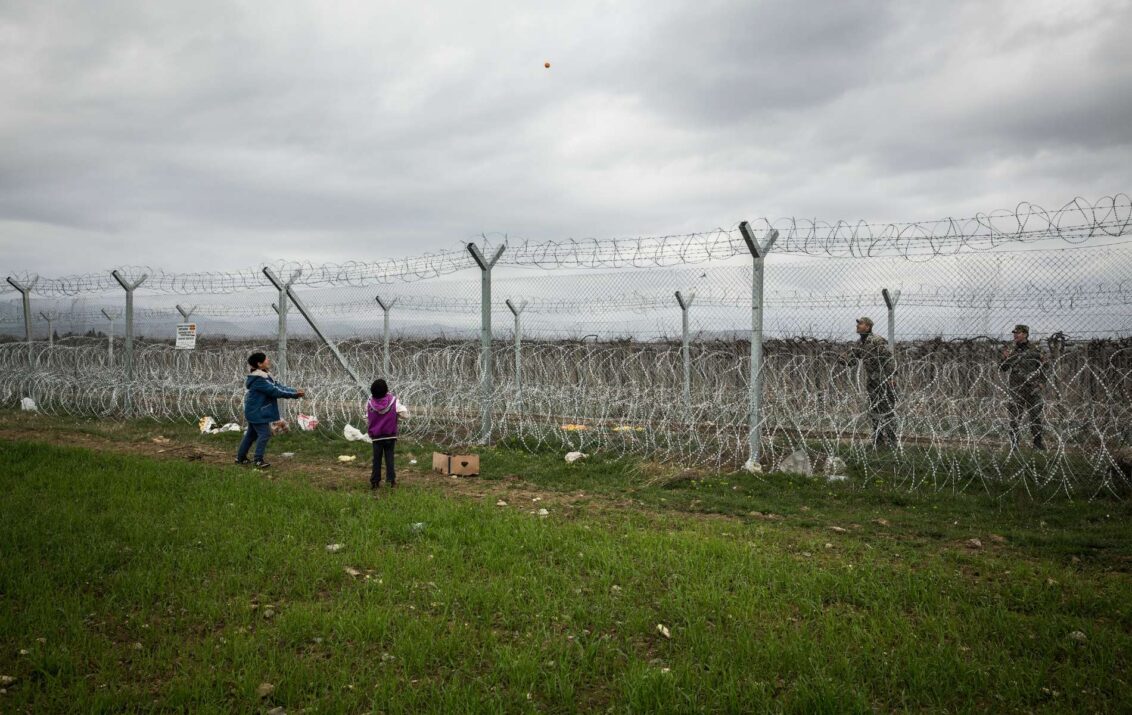
The regulation will escalate forced returns and place more people in detention, both inside and outside Europe. It allows the creation of deportation centres outside the European Union similar to the Italy-Albania deal, raising serious concerns about refoulement, access to healthcare and further harm. In addition, it will expand the use and duration of immigration detention, including for children and unaccompanied minors.
Detention has well-documented health consequences: respiratory and infectious diseases, severe anxiety, depression, sleep disorders, re-traumatization, acute psychiatric needs and higher incidences of suicide. In the case of children, the impact of detention is devastating and long-lasting; it will never be in their best interests and contravenes international child rights standards.
As healthcare professionals and organisations providing health care in crisis contexts, we cannot accept the emergence of a system that sorts people into those who deserve care and those who do not. Our commitment is clear: to protect the health of every person who needs care, regardless of their administrative status.
We call on each Member of the European Parliament and the Council to protect public health and refuse its instrumentalization for immigration enforcement.
Reject this Regulation.
Kontakt
Haben Sie Fragen oder Anmerkungen? Zögern Sie nicht, uns zu kontaktieren. Wir sind für Sie da.